Why Are They Called Vertical Dramas?
Learn why are they called vertical dramas, how portrait framing changes storytelling, and why short episodes work so well on phones.
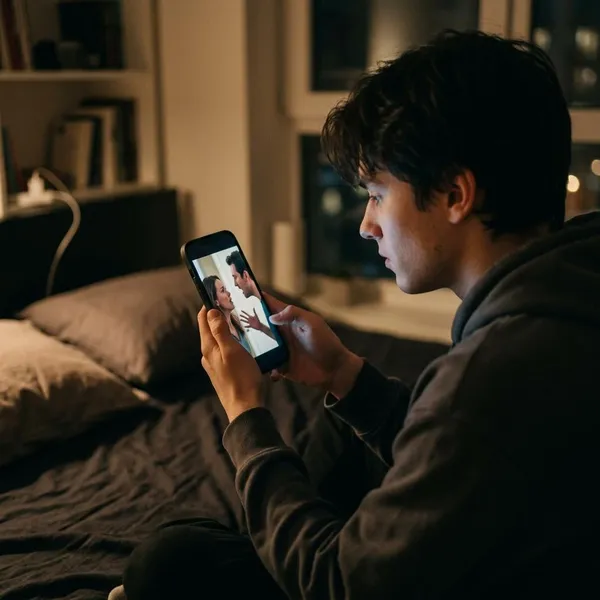
They are called vertical dramas because the story is filmed and watched in a tall portrait frame, usually the 9:16 shape of a smartphone screen. The name is not only about the camera angle, though. Once a drama is built for an upright phone screen, the episodes, acting, editing, and cliffhangers all change to fit quick mobile viewing.
What is a vertical drama?
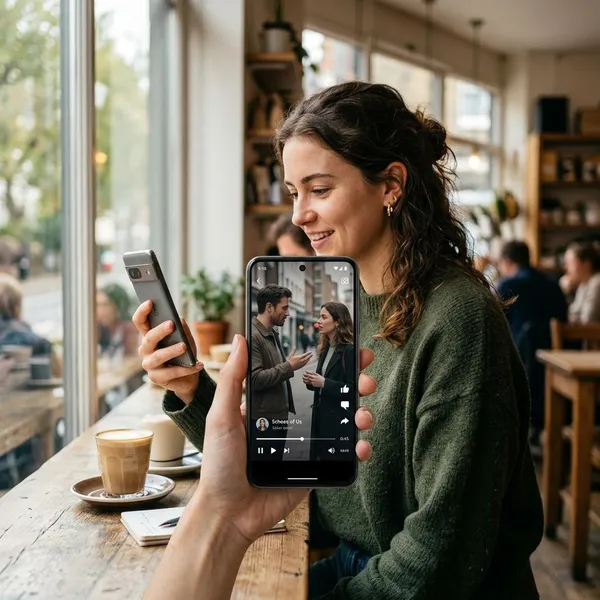
A vertical drama is a scripted short-form series made mainly for portrait viewing on a phone. The easiest way to recognize one is to check three things first: it is filmed upright, the episodes are very short, and the story is designed to keep pulling you into the next part.
A scripted short-form series
A vertical drama is still a real drama series, just compressed. It usually has actors, written scenes, recurring conflicts, and a continuing storyline. The acting may be bigger and the twists may arrive faster than in a regular TV show, but it is not the same thing as an improvised social media sketch.
A story told across short episodes
Most vertical dramas tell one larger story through many small episodes. One episode may only cover a confrontation, a reveal, or a decision, while the full season carries the romance, revenge plot, family conflict, or mystery forward.
- One quick scene: often enough for a single emotional beat.
- Many episodes together: enough to build a full serial storyline.
- Low commitment: easy to try when you only have a minute.
A mobile-first format built around cliffhangers
The phone-first design matters. Vertical dramas assume the viewer may be standing in line, sitting on a bus, or taking a short break rather than settling in for a long evening show. So the story usually starts fast, keeps the conflict clear, and ends with a reason to tap the next episode.
Common episode endings include an interrupted confession, a sudden reveal, a villain walking in, a secret document appearing, or a choice left hanging. The mistake is to think the cliffhanger is just decoration. In this format, it is one of the main engines of the viewing experience.
How does vertical framing change the storytelling?
Vertical framing changes the story because the screen gives creators less side-to-side space and more height. That pushes attention toward faces, bodies, doors, phones, documents, and other details that can be read quickly in a narrow frame.
For a viewer, this means the important information should be visible almost immediately. If a scene needs a wide battlefield, a large group conversation, or a slow scenic build-up, vertical framing can feel restrictive. If the scene is about a betrayal, a romantic stare, a family argument, or a shocking text message, the narrow phone frame can actually make it feel more intense.
Close-ups become more important
Close-ups do more of the storytelling in vertical dramas because the phone screen is small and portrait framing naturally favors the face and upper body. A raised eyebrow, a pause before answering, or a stunned reaction can carry the scene without much extra explanation.
Scenes use tighter compositions
Scenes are usually composed more tightly than in regular dramas. Instead of placing several characters across a wide room, the camera often isolates the person speaking or keeps two characters close together in the frame.
That tightness is practical, not just stylistic. On a phone, a wide shot with too many faces or background details can become hard to follow. A cleaner frame helps the viewer know where to look without pausing or rewatching.
Action stays centered on a narrow screen
Important action tends to happen near the middle of the frame. A slap, hug, entrance, signature, dropped ring, or exposed phone message needs to be obvious even if someone is watching with one hand while half-distracted.
Large side-to-side action is harder to stage in portrait format, so vertical dramas often compress movement into a smaller visual area. That can make scenes feel less cinematic, but it also makes the dramatic beat harder to miss.
Visual information must be easier to read quickly
Vertical dramas often use clear visual shorthand because there is little time for slow explanation. A luxury office can signal power, a wedding dress can set up conflict, and a hospital corridor can change the stakes before anyone speaks.
- Costumes: quickly show status, role, or relationship tension.
- Props: phones, contracts, rings, and test results often carry plot weight.
- Locations: offices, mansions, hospitals, and wedding venues give instant context.
- Reactions: cuts often move quickly from action to consequence.
How are vertical dramas different from regular dramas?
The biggest difference is that vertical dramas are designed around phone behavior from the start. Regular dramas usually assume a wider screen, longer attention, and more time for atmosphere. Vertical dramas assume the viewer wants the point quickly and may leave if the story takes too long to move.
Portrait instead of landscape framing
Regular dramas are usually filmed for landscape screens: TVs, laptops, cinema screens, and standard streaming players. Vertical dramas use portrait framing, so the image is taller than it is wide and fits the way most people naturally hold a smartphone.
This is the simplest answer to why they have that name. "Vertical" describes the viewing shape, but it also hints at the creative choices that follow from that shape.
Shorter episodes
Vertical drama episodes are much shorter than regular TV episodes. Many run around a minute or two, though some may be longer depending on the platform and series.
That short length changes the viewer's decision. Starting a 45-minute episode feels like a commitment; starting a 90-second episode feels almost effortless. The catch is that the story is often built so one small commitment turns into several more.
Faster pacing
Vertical dramas usually reach conflict quickly. There is less room for long establishing shots, quiet transitions, or slow subtext, so scenes tend to start close to the emotional problem.
The benefit is speed. The trade-off is that some stories can feel blunt or exaggerated compared with regular dramas. If you like slow-burn character work, the format may feel rushed; if you want instant tension during a short break, that speed is exactly the appeal.
More frequent cliffhangers
Regular dramas may build toward a major cliffhanger at the end of an episode. Vertical dramas often do it every one or two minutes. That repeated suspense is a core part of the format, especially on apps where the next episode is only one tap away.
This is also where viewers should be a little aware of the design. A strong cliffhanger can be fun, but it can also make the series feel engineered for endless continuation. If you only meant to watch one episode before bed, this is the feature most likely to make you watch ten.
Why have vertical dramas become popular?
Vertical dramas became popular because they match how many people already use their phones: upright, in short bursts, and often through social feeds. They combine the quick hit of short video with the continuing pull of serialized fiction.
They fit everyday phone viewing
Most people do not rotate their phone every time they watch something. Vertical dramas remove that small point of friction by filling the screen in the position the phone is already in.
That sounds minor, but it matters in casual viewing. If you are waiting for coffee, sitting in a rideshare, or scrolling during a lunch break, a portrait episode feels ready immediately. A landscape show asks for a little more attention and a slightly more settled setup.
Short episodes are easy to watch anywhere
Short episodes make the format easy to start. You do not need to decide whether you have time for a full show; you only need a spare minute.
- Quick break: one episode gives a fast story beat.
- Commute: several episodes can stack into a longer session.
- Late-night scrolling: low effort makes it easy to keep going.
Fast plots deliver quick emotional payoff
Vertical dramas often start with high-emotion material: betrayal, secret identity, revenge, romance, wealth conflict, family pressure, or a sudden reversal. The viewer does not wait long to understand what is at stake.
That quick payoff is the point. A regular drama may ask for patience before the emotional reward arrives; a vertical drama usually gives the reward first and adds context as it goes.
Social media makes new series easy to discover
Social media is a natural discovery engine for vertical dramas because the most dramatic moments work well as short clips. A confrontation or reveal can make sense even without the full backstory, which makes people curious enough to find the full series.
Conclusion
Vertical dramas get their name from the upright portrait frame, but the more useful takeaway is that the frame shapes the whole viewing experience. If a series is made for a phone, uses very short episodes, keeps emotion close to the camera, and ends each part with a strong pull forward, it is not just regular TV squeezed into a smaller screen; it is a phone-first drama format with its own rhythm.
FAQS
Is vertical drama the same as microdrama?
Often, yes. "Microdrama" usually emphasizes the short episode length, while "vertical drama" emphasizes the portrait phone format; many series fit both labels.
How long are vertical drama episodes?
Many episodes are around 60 to 90 seconds, but the range can be wider. The better check is whether each episode delivers one quick story beat and pushes directly into the next.
Where did vertical dramas originate?
The format is strongly associated with China's mobile microdrama market, where short serialized phone dramas grew quickly before spreading through international apps and social platforms.