When Did Vertical Dramas Begin and Become Popular?
Understand when did vertical dramas start, how microdramas changed mobile viewing, and why audiences kept watching.
Modern vertical dramas started taking shape in China around 2018, when short mobile videos began turning into serialized stories rather than one-off clips. If you mean the app-driven format people recognize today, the key timeline is simple: early growth in China from 2018, stronger production in the early 2020s, and a wider global breakout around 2023.

How did vertical drama develop in China?
China is the clearest starting point for modern vertical drama because the format became more than short video there. It developed into a repeatable entertainment model with serialized plots, mobile-first shooting, platform support, and payment systems built around very short episodes.
Serialized short videos gained traction around 2018
Around 2018, short fictional videos in China started gaining traction as connected stories. They used recurring characters, quick conflicts, and episode endings that made viewers want the next part, which is why this period is usually treated as the beginning of the modern vertical drama format.
The difference matters if you are trying to date the format accurately. Vertical videos existed earlier, but the recognizable vertical drama model depends on serialization: one story broken into many tiny episodes, often with romance, family conflict, revenge, secret identity, or fantasy hooks.
Dedicated short-drama sections appeared on major platforms
Once viewers showed they would follow these stories, major Chinese platforms began giving short dramas more visible placement. That moved them out of the "random clip" category and into a more organized content lane.
- Discovery became easier: viewers could finish one short drama and quickly find another.
- Audience habits became clearer: platforms could see which genres, episode lengths, and hooks kept people watching.
- Producers had a stronger target: they could make dramas for a known viewing environment instead of guessing.
Production became more professional in the early 2020s
By the early 2020s, vertical dramas were no longer just low-stakes experiments. More productions used dedicated crews, tighter scripts, faster editing, and scenes planned specifically for portrait screens.
This is where the format started to feel like its own industry. A small team making a simple phone-first romance is one scenario; a company producing a full slate of serialized dramas with planned releases, paid unlocks, and genre testing is another. The second scenario is what pushed vertical dramas from trend to business.
Mobile apps helped the format scale rapidly
Dedicated apps made vertical drama easier to scale because they controlled the whole viewing path: ads, first episode, recommendations, payment prompts, and the next series. Instead of hoping a clip would be discovered in a general feed, the app could guide viewers through a designed binge experience.
When did vertical dramas become popular worldwide?
Vertical dramas started expanding outside China in the early 2020s, but 2023 is the stronger marker for global popularity. That was when dedicated drama apps became much more visible through social ads, app-store growth, and English-language or locally adapted productions.

For a casual viewer, the format may have seemed to appear suddenly through dramatic ads on TikTok, Instagram, Facebook, or YouTube Shorts. For the industry, it was less sudden: Chinese short-drama production methods, mobile monetization, and overseas testing had already been building for several years.
Overseas expansion grew in the early 2020s
International expansion began with companies testing whether the same short, emotional, mobile-first storytelling could work outside China. The answer was yes, but only when stories were localized enough to feel understandable and immediate.
Some tropes travelled especially well because they are easy to grasp in seconds: secret marriage, betrayal, revenge, hidden wealth, family pressure, and sudden identity reveals. Names, settings, accents, and social details often needed adjustment, but the emotional structure was portable.
Dedicated drama apps gained momentum in 2023
In 2023, apps such as ReelShort and DramaBox helped make vertical dramas far more visible outside China. The growth was powered by a very direct funnel: a dramatic clip appears in a social feed, the viewer taps to continue, and the story resumes inside a dedicated app.
| Stage | What changed for viewers | Why it mattered |
|---|---|---|
| Social ad clip | A shocking scene was easy to sample in seconds. | No prior knowledge of vertical dramas was needed. |
| App install | The viewer could continue the same story immediately. | Curiosity turned into a viewing session. |
| Paid or rewarded unlocks | Later episodes required coins, ads, or another payment route. | The app connected cliffhangers directly to revenue. |
More local productions followed the global app boom
After the app boom, more local productions appeared in markets such as the US and other English-speaking regions. This helped the format feel less like imported content and more like a native mobile entertainment option.
Local production also changed the viewer experience. A billionaire romance or revenge story set in a familiar city, performed in a familiar dialogue style, usually feels easier to accept than a translated import, even when the underlying trope is similar.
Why did vertical dramas grow so quickly?
Vertical dramas grew quickly because they fit habits people already had: holding a phone upright, watching short videos, reacting to emotional hooks, and moving from one piece of content to the next with almost no friction. The format did not ask viewers to learn a new behavior; it added serialized drama to a behavior that already existed.
The business side mattered just as much. Short production cycles, constant releases, and mobile payment systems gave platforms a way to test stories quickly and earn money directly from engaged viewers.
Smartphone viewing made short episodes convenient
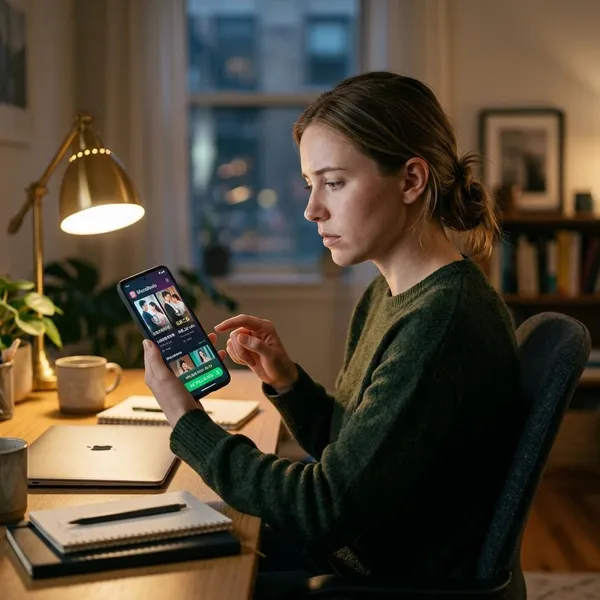
Vertical dramas work well in the small gaps of daily life: a commute, a lunch break, a wait in line, or a few minutes before bed. Starting a one-minute episode feels much easier than committing to a 45-minute TV episode.
This is one reason the format appeals to different viewing situations. Someone who only wants quick entertainment can watch a few free episodes and stop; someone who gets hooked on a romance or revenge plot can burn through a large part of a series in one sitting.
Cliffhangers encouraged continuous watching
Cliffhangers are not just decoration in vertical dramas. They are the engine. Episodes often end just before a confession, reveal, confrontation, or reversal, so the next tap feels like the natural way to get relief.
- Reveal cliffhangers: a hidden identity, secret child, betrayal, or inheritance twist is about to come out.
- Conflict cliffhangers: a public humiliation, slap, accusation, or dramatic entrance stops at the peak moment.
- Romance cliffhangers: a confession, misunderstanding, forced marriage, or reunion is delayed by one more episode.
Fast production supported a steady flow of new shows
Fast production allowed platforms to keep feeding viewers new titles. Compared with traditional TV, many vertical dramas can be made with smaller casts, fewer locations, shorter shoots, and simpler story worlds.
The practical advantage is speed. If hidden-identity romance is performing well this month, a platform can respond faster than a traditional studio could. That does not mean every show is cheaply made, but the system is built for quick testing and constant supply.
Mobile monetization created a scalable business model
Mobile monetization turned attention into revenue. Many apps use a mix of free episodes, ads, coins, subscriptions, or paid unlocks, usually placing the payment decision after the viewer has already become curious.
How did vertical dramas evolve from earlier short videos?
Vertical dramas evolved from earlier short videos by adding continuity, stronger production rules, and a dedicated app environment. The shift was not simply "videos became vertical." The bigger change was that short-form attention was turned into ongoing narrative commitment.
Stories became fully serialized
Serialization is the main dividing line. Earlier short videos could be funny, emotional, or dramatic, but they often stood alone. Vertical dramas use many short episodes to build one continuing plot.
That made them closer to soap operas, web novels, or webtoons than to ordinary social clips. Viewers return because they want the next answer: who lied, who gets exposed, who falls in love, or who wins the confrontation.
Vertical framing became part of the production design
Portrait framing became part of the storytelling language. Close-ups, face-to-face conflict, simple blocking, and clear emotional reactions work better on a narrow phone screen than wide scenes full of background detail.
This is why a good vertical drama is not just a horizontal show cropped into 9:16. The scene has to be planned so the viewer can understand the emotion, power shift, or reveal instantly on a small screen.
Episodes adopted stronger hooks and cliffhangers
Earlier short videos needed a hook, but vertical dramas made hooks and cliffhangers almost mandatory. The first seconds have to stop the scroll, and the final seconds have to make leaving feel unsatisfying.
That pressure creates a very compressed style. Slow setup, quiet atmosphere, and subtle clues are often reduced in favor of confrontation, emotional stakes, and quick reversals.
Dedicated apps created their own viewing ecosystem
Dedicated apps completed the move from short-video trend to entertainment category. They gave vertical dramas a home where browsing, recommendations, payments, and repeat viewing could all happen in one place.
That ecosystem is the reason the format became durable. A viral clip can disappear after one viewing, but an app can turn one moment of curiosity into a habit: finish one series, get recommended another, and keep watching within the same environment.
Conclusion
The best answer is that vertical dramas began in their modern form in China around 2018, became more professional in the early 2020s, and reached wider global visibility around 2023. If you are trying to place them historically, focus less on the first vertical video ever made and more on the moment short mobile fiction became serialized, app-driven, and commercially repeatable.
FAQS
Did vertical dramas start in China?
Yes. The modern vertical drama format is most closely linked to China, where serialized mobile short dramas gained traction around 2018 and later developed into a large app-based industry.
What does duanju mean?
Duanju means "short drama" in Chinese. In this context, it usually refers to short-form serialized dramas made for mobile viewing, often with very brief episodes.
Are vertical dramas the same as microdramas?
Often, yes. "Microdrama" is the broader term for very short serialized drama, while "vertical drama" usually emphasizes the 9:16 phone-first format.