Why Are Korean Vertical Dramas So Popular?
Learn what a korean vertical drama is, why short mobile episodes are growing fast, and where to watch with subtitles.
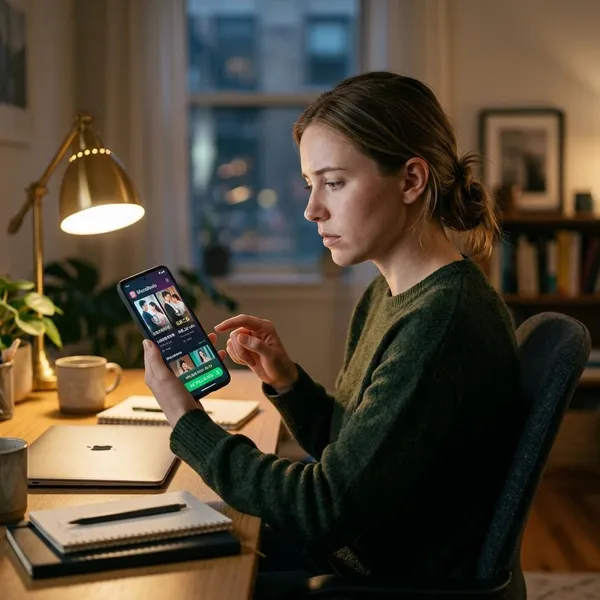
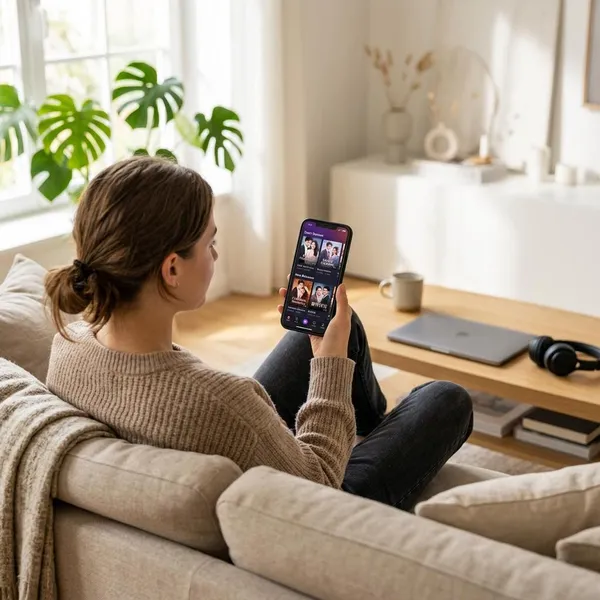
A korean vertical drama is a scripted short drama made to be watched vertically on a phone, usually in episodes that last only a few minutes. It is best for quick, high-emotion viewing rather than slow, cinematic storytelling. If you are trying one for the first time, check three things first: whether the app has English subtitles, how many episodes are free, and whether the pacing feels enjoyable instead of rushed.
What is a Korean vertical drama?
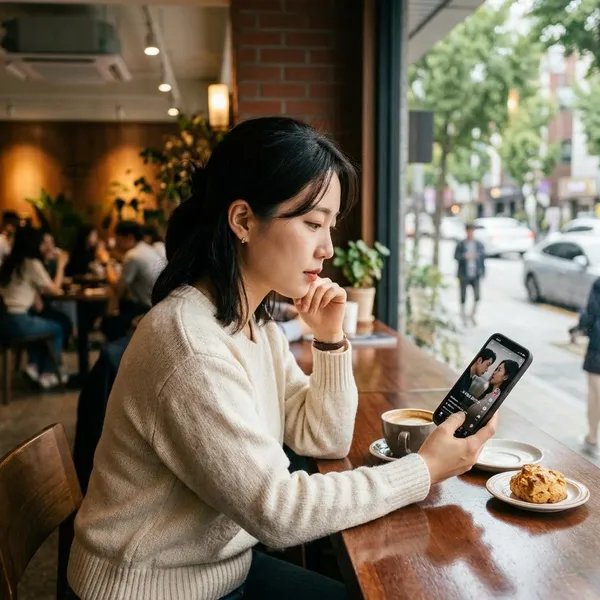
Korean vertical dramas sit between regular K-dramas, web dramas, and mobile short-form video. They use familiar K-drama ingredients such as romance, betrayal, family pressure, office politics, and revenge, but the storytelling is compressed for portrait viewing.
A mobile-first scripted drama
These are scripted productions, not casual social clips. They normally use actors, planned scenes, dialogue, costumes, and continuing character arcs, even when the production looks simpler than a TV drama.
Because the screen is narrow, faces and reactions carry a lot of the story. A shocked pause, a jealous glance, or a quiet hesitation may do more work than a long conversation. That makes the format especially suited to emotional conflict and direct confrontation.
Short episodes made for vertical screens
Most episodes are built around one clear story beat: a confession, a discovery, a threat, a kiss almost happening, or a character finally pushing back. Many run around 1 to 3 minutes, though the exact length depends on the platform.
- Good fit: watching during a commute, lunch break, or late-night phone scroll.
- Less ideal: viewers who want long scenes, rich world-building, or a slower emotional build.
- Worth checking: whether subtitles are easy to read on your phone before paying for later episodes.
Fast stories built around hooks and cliffhangers
The hook usually arrives fast. A character may be betrayed in the first episode, forced into a contract relationship, exposed at work, or pulled into a hidden-identity twist before there is much setup.
That speed is part of the appeal, but it can also feel exaggerated. If you enjoy strong emotional turns and "one more episode" endings, the format works well. If you prefer subtle character development, a regular K-drama or longer web drama may feel more satisfying.
Why are Korean vertical dramas becoming popular?
The format is growing because it matches how many people already use their phones: in short bursts, without planning a full viewing session. It also borrows the emotional clarity of K-dramas, so a viewer can understand the conflict quickly even if they only watch for a few minutes.
Short episodes fit mobile viewing habits
A 90-second or 2-minute episode feels low-risk. You can test a series while waiting for coffee or sitting on the train without committing to a full hour.
That makes vertical dramas useful for casual viewing. Someone who loves full-length K-dramas might still use these as "between shows" entertainment, while a busy viewer may prefer them because they do not require a quiet evening or a TV setup.
Fast pacing makes them easy to binge
Vertical dramas rarely stay neutral for long. A scene usually changes the relationship, raises the stakes, or ends on a reveal. Ten short episodes can feel like a lot has happened, even if the total watch time is only part of a normal TV episode.
The trade-off is depth. Fast pacing can make weak writing more obvious, because there is less room to hide awkward dialogue or rushed motivation. Before unlocking a long run of episodes, watch enough free chapters to see whether the story is genuinely gripping or just loud.
Emotional stories deliver quick payoff
These dramas work best when the emotional situation is instantly readable: someone is humiliated, someone is hiding their identity, someone wants revenge, or two people clearly should not fall for each other but probably will.
For viewers who like quick payoff, that is a strength. Instead of waiting several long episodes for a turning point, you get smaller emotional peaks again and again.
Social clips make new dramas easier to discover
Many viewers first find a title through TikTok, YouTube Shorts, Instagram Reels, or a mobile ad. One dramatic scene can show the tone immediately: rich CEO romance, revenge marriage, office humiliation, fantasy twist, or family betrayal.
What stories are common in Korean vertical dramas?
Korean vertical dramas usually choose plots that can create tension in seconds. The format favors clear power gaps, strong romantic pressure, obvious betrayal, and twists that do not need long explanation.
Romance and melodrama
Romance is the easiest entry point. Expect contract dating, arranged marriage, second-chance love, secret feelings, social-status tension, and painful misunderstandings.
Melodrama fits the vertical format because it does not need much space to communicate emotion. A rejected lover, a public insult, or a family member blocking a relationship can be understood instantly.
Revenge and power struggles
Revenge stories are popular because the motivation is clear from the first few scenes. A character is framed, abandoned, cheated, or humiliated, and the viewer immediately understands why they want to fight back.
- Common setup: a wronged woman returns with a new identity or stronger position.
- Common tension: wealth, status, or family power keeps the villain protected.
- Best use of the format: each episode reveals one new move in the revenge plan.
Office and chaebol stories
Office and chaebol plots are efficient because hierarchy is visible right away. A CEO, assistant, hidden heir, rival colleague, or controlling family member can create conflict without a long introduction.
This is also where vertical dramas often feel closest to classic K-drama fantasy: expensive offices, family boardrooms, sudden promotions, secret identities, and romance tangled with money or status.
Thriller and fantasy plots
Thriller plots often use blackmail, stalking, hidden crimes, false accusations, or missing-person tension. Fantasy titles may add time travel, body swaps, rebirth, supernatural bonds, or a second chance after death.
These genres can be fun when the premise is simple enough to follow quickly. If a fantasy drama spends too much time explaining rules, it may not suit the short format as well as romance or revenge.
Where can you watch Korean vertical dramas?
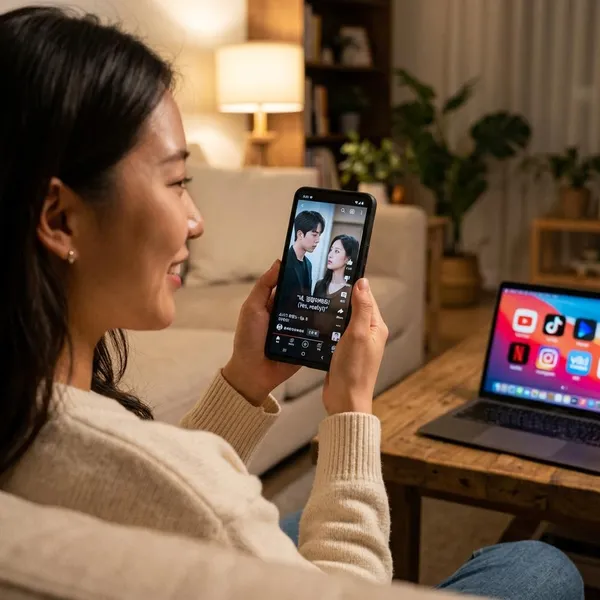
You can usually find Korean vertical dramas through dedicated short-drama apps, global vertical-drama platforms, and social video channels that promote clips or sample episodes. The best choice depends on whether you care most about Korean-made titles, English subtitles, price, or easy discovery.
Dedicated Korean short-drama apps
Dedicated Korean short-drama apps are the most direct place to look if you specifically want Korean-produced short dramas. Apps such as Vigloo and Shortime are often mentioned by viewers exploring this category, though availability can vary by region.
These apps may be a good fit if you want romance, revenge, office, fantasy, or melodrama titles made around the vertical format. Just check the payment model early, because free starts can become paid unlocking after only a few episodes.
Global vertical-drama platforms
Global platforms such as DramaBox and Shortmax can offer a wider mix of short dramas from different markets. Some titles may be Korean, while others may simply use K-drama-like tropes.
| What you want | Better place to start | Check before paying |
|---|---|---|
| Korean-made titles | Korean short-drama apps | Catalog origin and subtitle options |
| Large genre variety | Global vertical-drama apps | Whether titles are Korean or Korean-style |
| Quick sampling | Social clips and free episodes | Whether the full series is available legally in your region |
Streaming and social video channels
YouTube Shorts, TikTok, Instagram Reels, and official platform accounts are useful for finding titles. They are especially good for judging tone: some dramas lean sweet and romantic, while others are pure revenge, scandal, or thriller bait.
Do not assume a viral clip means the full series is free on the same channel. Often, social video is only the doorway, and the complete drama sits inside a separate app.
Platforms offering international subtitles
English subtitles are available on some platforms, but not always for every title. Global apps are more likely to support international viewers, while Korean-focused apps may subtitle selected releases.
- Open the app listing first: check supported languages, screenshots, and recent reviews.
- Watch one free episode: look for subtitle timing, readability, and natural translation.
- Compare unlock costs: coins, ads, passes, and subscriptions can feel very different over a full series.
Conclusion
Korean vertical dramas are worth trying if you like K-drama emotions but want something faster, shorter, and easier to watch on a phone. Start with free episodes, judge the subtitles and pacing, then decide whether the app's payment model feels reasonable. For quick romance, revenge, or cliffhanger-heavy entertainment, the format makes sense; for slower acting, richer production, and deeper character arcs, a regular K-drama will still be the better choice.
FAQS
Are Korean vertical dramas the same as web dramas?
No. Web dramas are digital-first too, but they are often longer and filmed horizontally, while vertical dramas are designed specifically for portrait phone viewing and faster cliffhangers.
Are Korean vertical dramas free to watch?
Some are free at the beginning, but many use coins, ads, passes, or subscriptions for later episodes. Check the unlock system before you get too invested.
Where can you watch Korean vertical dramas with English subtitles?
Try dedicated short-drama apps and global vertical-drama platforms first, then test a free episode for subtitle quality. English support can change by app, region, and title.