Which Chinese Vertical Drama Actors Should Men Know?
Explore chinese vertical drama actors male viewers search most, what each is known for, and how to build a better watchlist.
If you are searching for chinese vertical drama actors male, the useful question is not just who is popular, but which actor matches the kind of short drama you actually enjoy. Shen Haonan, Ke Chun, Ma Shaoyu, Yan Zixian, and Bai Yixiang are good names to start with because each one is strongly linked to a different screen style, from revenge melodrama to softer romance.
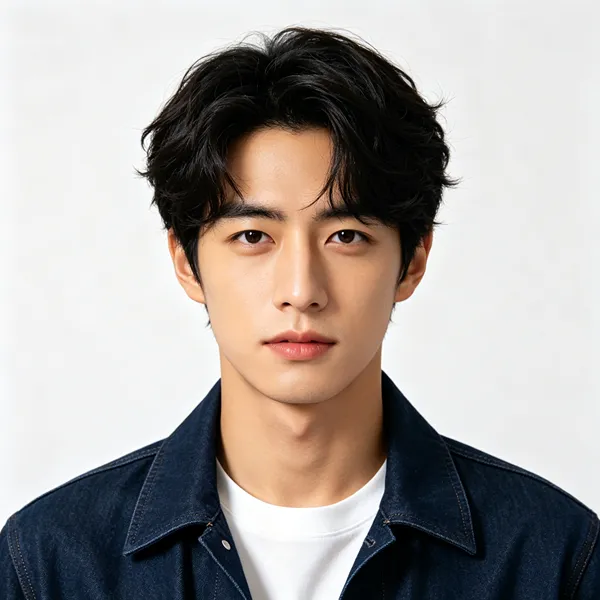
Male Chinese vertical drama actors to know
Chinese vertical dramas move fast, so the male lead has to make the setup clear almost immediately. If the actor cannot sell the first emotional beat, even a popular trope can feel flat. That is why many viewers end up searching by actor instead of by title.
Shen Haonan
Shen Haonan is a strong starting point if you like wounded male leads, revenge plots, and romance built around regret. His best roles often work because he can look controlled on the surface while still suggesting anger, guilt, or old pain underneath.
Ke Chun
Ke Chun suits viewers who like intensity before comfort. He often fits darker romantic leads, anti-hero energy, and relationships that begin with mistrust or pressure rather than easy sweetness.
If you dislike possessive or morally gray male leads, he may not be your safest first choice. But if your favorite clips are charged arguments, dangerous loyalty, and tension-heavy chemistry, his style usually lands well.
Ma Shaoyu
Ma Shaoyu is closely tied to the modern CEO romance lane. He looks convincing in polished office, wealth, and elite-family settings, which matters because short dramas rarely have time to slowly build a character's status.
Yan Zixian
Yan Zixian is worth knowing for period-style stories, Republican-era looks, and revenge plots with a heavier visual mood. He is especially useful when a drama needs restraint, suspicion, betrayal, or quiet longing to read quickly on screen.
Bai Yixiang
Bai Yixiang, also known by some viewers as Sean Pai, offers a softer romantic lead image. He fits polished, sincere, and emotionally steady roles better than aggressive power fantasies, which makes him a good option when you want romance without constant shouting or cruelty.
What each male actor is known for
The names become more useful once you connect them with role types. Many vertical dramas have similar posters, translated titles, and plot hooks, so the actor's usual screen image can be a better clue than the title itself.

Shen Haonan for revenge and emotional drama
Shen Haonan is known for revenge and emotional drama because he can make restraint feel active. In a short series, a silent stare or delayed reaction has to carry a lot of story, and that is where his screen style works best.
Ke Chun for intense romantic leads
Ke Chun is often at his best when the romance feels risky. His characters can appear difficult to trust at first, which gives the relationship instant friction. That makes him a strong pick for viewers who want chemistry with a sharper edge.
Ma Shaoyu for CEO romance
Ma Shaoyu fits CEO romance because he sells the high-status fantasy quickly. Forced marriage, contract love, hidden identity, wealthy family pressure, and office attraction all depend on the male lead feeling powerful before he becomes vulnerable.
Yan Zixian for period and revenge roles
Yan Zixian stands out in period and revenge roles because his expressions suit heightened drama. Costumes, family feuds, arranged alliances, and revenge setups can look stiff in a short format, but he usually gives those scenes a clearer emotional center.
Bai Yixiang for polished romantic leads
Bai Yixiang is known for polished romantic leads with a calmer tone. His appeal is less about intimidation and more about elegance, steadiness, and emotional availability.
Which male actor fits your favorite drama trope?
If you are new to vertical dramas, choosing by trope is usually easier than choosing by platform. The titles can be inconsistent, but the emotional promise is usually clear: revenge, CEO romance, darker love, historical tension, or softer romance.
Shen Haonan for revenge stories
Pick Shen Haonan when the plot centers on betrayal, false accusations, lost love, or a return for payback. He works best when revenge feels personal rather than just a chain of dramatic reveals.
For a heavier binge, start here. For something playful or fluffy, save him for another mood.
Ke Chun for darker romance
Ke Chun is the better match when you want romance with danger, jealousy, obsession, or moral tension. His screen style suits couples who do not trust each other right away.
Ma Shaoyu for CEO romance
Ma Shaoyu is the straightforward choice for rich, powerful male leads who start distant and become protective. He fits the fantasy version of CEO romance more than a realistic workplace story.
- Good match: contract marriage, billionaire romance, office tension, elite-family conflict.
- Watch with the right expectation: these dramas often lean into fantasy logic, not realism.
Yan Zixian for historical drama
Yan Zixian suits viewers who enjoy atmosphere as much as romance. If the appeal is costumes, family pressure, revenge, political tension, or tragic restraint, he is often a better match than a modern CEO-style actor.
Bai Yixiang for softer romance
Bai Yixiang is the better pick when you want calm chemistry, supportive affection, and a male lead who feels refined rather than threatening. His dramas are a good choice for viewers who enjoy emotional comfort more than constant confrontation.
Why male vertical drama actors stand out
Male actors in vertical dramas stand out because the format gives them very little room to warm up. A full-length C-drama can spend episodes building a character. A vertical drama often needs the audience to understand the male lead within seconds.
Fast emotional delivery
Vertical dramas often begin in conflict: a breakup, a slap, a rescue, a betrayal, or a sudden reveal. The actor has to make the emotion readable right away, especially on a phone screen where small hesitation can look like weak acting.
This is where actors like Shen Haonan and Yan Zixian often gain attention. Their roles can suggest history before the script has explained it fully.
Strong screen presence
Screen presence matters because the production may be simple, the scenes short, and the plot familiar. An actor who holds the frame can make a standard setup feel more expensive and more watchable than it really is.
Clear character archetypes
Vertical drama viewers usually want to recognize the fantasy quickly. Is he the cold CEO, the dangerous protector, the revenge-driven lover, or the gentle romantic partner? Clear archetypes help the story start without long explanation.
- Cold status fantasy: usually points toward Ma Shaoyu.
- Dangerous romantic tension: Ke Chun fits better.
- Gentler partner energy: Bai Yixiang is the easier choice.
High-intensity romantic chemistry
Romance in short dramas has to feel active fast. The chemistry may come from conflict, rescue, longing, jealousy, or tenderness, but it cannot take ten episodes to appear.
Different actors create different heat. Ke Chun often brings pressure and risk, Ma Shaoyu brings polished fantasy, and Bai Yixiang brings smoother affection. Knowing that difference helps you avoid choosing the wrong kind of romance for your mood.
Frequent lead roles across short dramas
Because vertical dramas are produced quickly, recognizable actors may appear in several short series close together. That makes actor-based watching practical: if one role works for you, you can often find another similar title without committing to a long series.
How to find more dramas by the same actor
Finding more dramas by one actor can be messy because English titles, Chinese titles, app titles, and fan-uploaded clip titles do not always match. The fastest method is to search in layers instead of relying on one name or one translation.
Search English and Chinese names
Use both romanized and Chinese names whenever you can. Romanized names may bring up English fan posts, while Chinese characters often reveal more clips, cast pages, and platform listings.
Also check name variations. Bai Yixiang may appear as Sean Pai in some spaces, and romanization can vary slightly across fan accounts or apps.
Check alternative title translations
One vertical drama can circulate under several English titles. A platform may emphasize "CEO," while a clip account may use "billionaire," "revenge," "contract wife," or "secret baby" to describe the same story.
- Search the actor name with the main trope.
- Compare poster images and costumes.
- Check whether the same co-star appears.
- Look for repeated scene clips before assuming it is a different drama.
Browse recent short drama credits
Recent credits are useful because short dramas are often released in clusters. If an actor becomes visible in one role, similar projects may appear around the same period on apps, clip channels, or fan lists.
Follow recurring co-stars
Search the male actor with an actress you liked. Recurring pairings are easier to track than translated titles, and they often reveal dramas that do not show up through a simple English title search.
Build an actor-based watchlist
Keep a simple note for each actor instead of saving random titles. Add the confirmed title, alternate title, trope, co-star, and where you found it. That small habit prevents duplicate confusion and makes your next watch easier to choose.
| Watchlist note | Why it helps |
|---|---|
| Actor name variations | Finds results across apps and fan posts |
| Trope label | Helps you choose by mood later |
| Co-star name | Tracks chemistry and recurring pairings |
| Poster or clip clue | Confirms titles with different translations |
Conclusion
The easiest way to navigate Chinese vertical dramas is to stop treating every title as a separate guess and start watching by actor, trope, and mood. Shen Haonan, Ke Chun, Ma Shaoyu, Yan Zixian, and Bai Yixiang each point you toward a different kind of short-drama experience, so pick the one that matches what you want tonight rather than the one with the loudest title.
FAQS
What are Chinese vertical dramas called?
They are usually called vertical dramas, mini-dramas, micro-dramas, or Chinese short dramas. In Chinese-language searches, results may vary by platform wording, so searching with actor names often works better than searching only the format term.
Do vertical drama actors appear in regular C-dramas?
Some do, but it is not automatic. Short-drama popularity can help an actor gain attention, while mainstream C-drama casting still depends on agency support, role fit, production scale, and timing.
Where can you find more dramas by the same actor?
Search the actor's English name, Chinese name, alternate spellings, and recurring co-stars. If the title is hard to confirm, compare posters, costumes, and repeated clips before deciding whether two names refer to the same drama.